When you purchase through links on our site, we may earn a commission. Here’s how it works.
You may have seen the word “triclosan” on a toothpaste tube, soap bottle, deodorant, or household product and skipped right past it. Most people did. For years, this antibacterial chemical was added to everyday products because it sounded useful: fewer germs, less odor, cleaner surfaces.
Table of Contents
But triclosan eventually became one of those hidden ingredients people started asking about. Why was it in so many products? Why did regulators question it? And why did major companies quietly remove it from many formulas?
The truth is more practical than scary. Triclosan is not something to panic about, but it is worth understanding, especially if you care about what is in the products you use on your skin, in your mouth, and around your home.
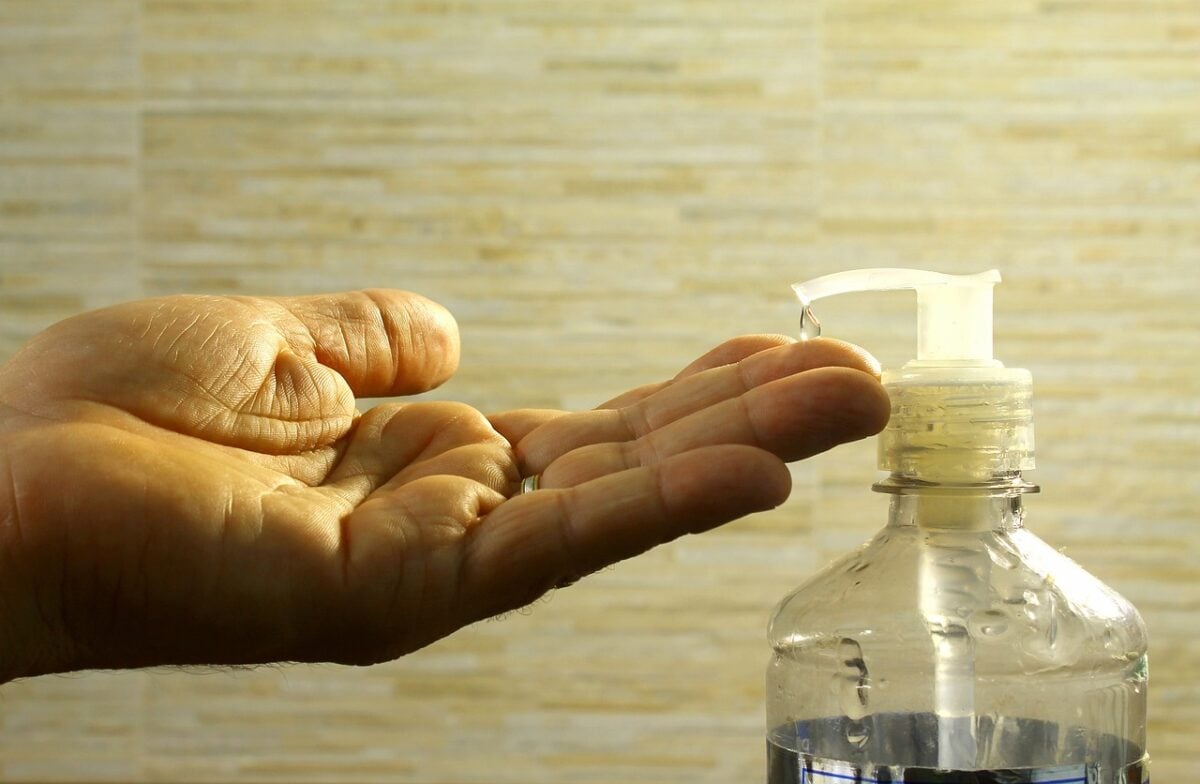
Here’s what triclosan is, where it was commonly used, why concerns grew, and how to check labels without falling for fear-based claims.
What to Know About Triclosan
Triclosan is an antimicrobial chemical that was once added to many everyday products to help slow or stop the growth of bacteria, fungi, and mildew. For years, it appeared in items like antibacterial soaps, body washes, toothpaste, deodorants, cleaning products, and even some treated household materials.
The concern is not that touching one product with triclosan is automatically dangerous. The bigger issue is that triclosan became widely used in products people used every day, even though regulators later questioned whether some of those uses were actually more effective than plain soap and water.
In 2016, the FDA ruled that triclosan and several other ingredients could no longer be marketed in over-the-counter consumer antiseptic wash products, including certain hand soaps, bar soaps, and body washes. The FDA said manufacturers had not provided enough data to show those ingredients were safe for long-term daily use or more effective than plain soap and water at preventing illness.
What Is Triclosan?
Triclosan is a man-made antimicrobial ingredient. That means it was designed to help reduce or prevent the growth of microbes such as bacteria, fungi, and mildew.
The EPA describes triclosan as an antimicrobial active ingredient that has been incorporated into a variety of products to slow or stop microbial growth.
Because of that, triclosan was often added to products marketed with words like:
- Antibacterial
- Antimicrobial
- Germ-killing
- Odor-fighting
- Mildew-resistant
Those words sounded reassuring to shoppers, especially in products used on the body, in the bathroom, or around the home.
But over time, scientists and regulators began asking a bigger question: Do most everyday products really need an antimicrobial chemical added to them?
Why Was Triclosan Added to Everyday Products?
Triclosan was added to products for a simple reason: it helped brands market them as cleaner, fresher, or more protective against bacteria. In personal care products, it was used to reduce bacterial growth. In toothpaste, it was used because of its ability to help reduce germs linked to gum disease.

Colgate-Palmolive has stated that triclosan was used in toothpaste because it helps reduce germs that can contribute to gum disease. The company also said that beginning in 2015, it reformulated antibacterial dish liquid and hand soaps with alternative active ingredients, and by January 2019, it no longer used triclosan as an ingredient in Colgate Total toothpaste.
This is important for balance: triclosan was not added randomly. It had a purpose. The controversy grew because it became common in so many everyday products, and regulators questioned whether some uses provided enough benefit to justify long-term exposure.
Where Was Triclosan Commonly Used?
For many years, triclosan appeared in a surprisingly wide range of products. Many people associated it with antibacterial soap, but that was only one category.
Triclosan was commonly used in or associated with products such as:
- Antibacterial hand soaps
- Body washes
- Bar soaps
- Toothpaste
- Deodorants
- Dish soaps
- Cleaning products
- Treated fabrics and textiles
- Footwear and clothing
- Carpeting
- Shower curtains
- Mattresses
- Floors
- Adhesives
The EPA notes that triclosan has been used as a material preservative in products such as adhesives, fabrics, textiles, footwear, clothing, carpeting, floors, shower curtains, and mattresses. It has also been used in some commercial, institutional, and industrial settings.
This is why triclosan became such a conversation-worthy ingredient. It was not just in one type of product. It showed up in things people used, wore, washed with, brushed with, or kept inside their homes.
Why Did Triclosan Become Controversial?
Triclosan became controversial for several reasons, but the concern was not as simple as “one product is dangerous.” The bigger issue was whether triclosan needed to be used so widely in everyday consumer products.
Questions About Effectiveness
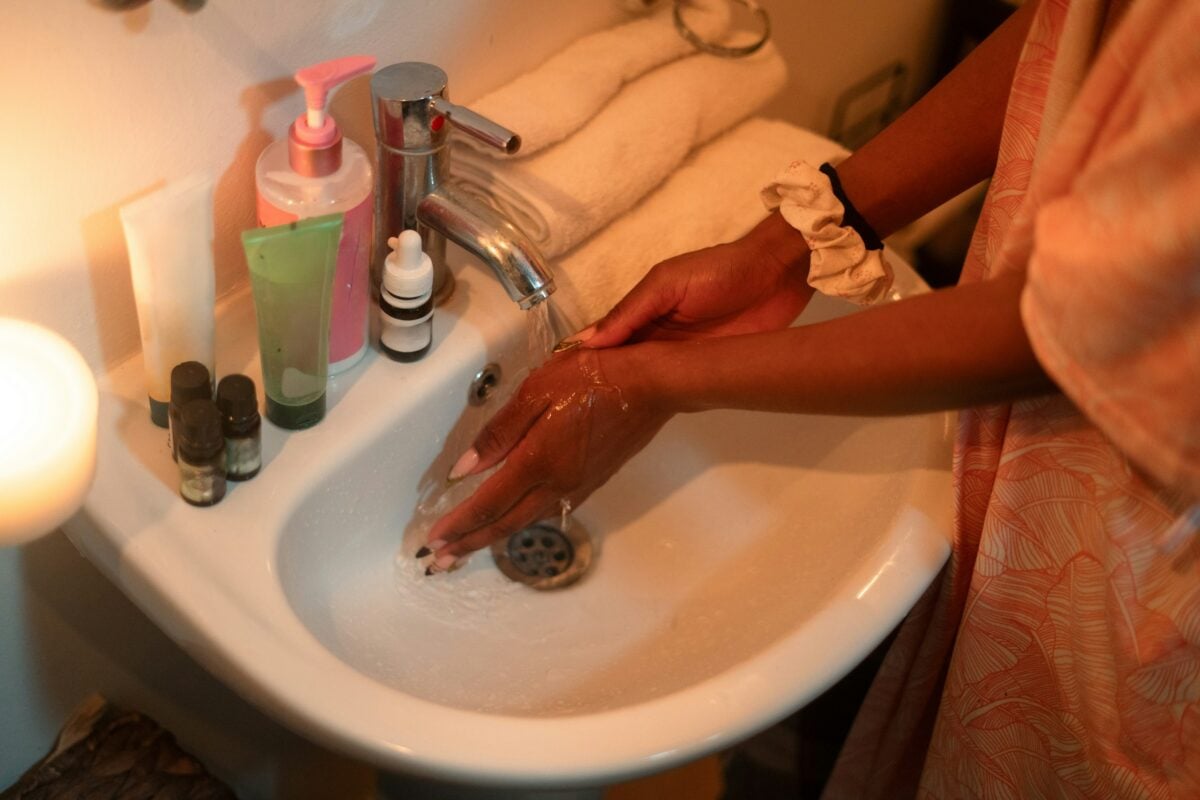
Many antibacterial soaps were marketed in a way that made people believe they were better than regular soap. But the FDA says there is not enough evidence to show that over-the-counter antibacterial soaps are better than plain soap and water at preventing illness.
Questions About Long-Term Daily Use
Another concern was repeated exposure. When an ingredient appears in soap, toothpaste, deodorant, household items, and treated materials, people may come into contact with it from multiple sources.
That raised a reasonable question: if people are exposed to an antimicrobial ingredient every day, from several different products, do the benefits clearly outweigh the unknowns?
Health and Environmental Questions
Scientists and regulators have also looked at triclosan in relation to possible hormone effects, bacterial resistance, environmental exposure, and long-term safety questions.
The EPA says its registration review considers available data on endocrine effects, developmental and reproductive toxicity, chronic toxicity, and carcinogenicity.
The key point is this: triclosan did not become controversial because one product was proven to harm everyone who used it. It became controversial because its widespread use raised questions about whether the benefits were worth the uncertainty.
Is Triclosan Still Used Today?
Triclosan is much less common in personal care products than it used to be, but it has not disappeared from every possible product category.
In the United States, triclosan can no longer be marketed in certain over-the-counter consumer antiseptic wash products, including many antibacterial hand soaps, bar soaps, and body washes. However, that FDA rule does not apply to every product. The FDA says the rule does not apply to hand sanitizers, hand wipes, or antibacterial products used in healthcare settings.
Triclosan may also still appear in some treated materials or industrial uses. The EPA lists uses such as materials preservation in textiles, adhesives, carpeting, shower curtains, mattresses, and other treated products.
So while triclosan is no longer as easy to find in everyday soaps and toothpaste, it is still worth knowing how to spot it on a label.
Products That May Still Contain Triclosan
Although triclosan has been removed from many soaps and personal care products, shoppers may still want to check labels carefully, especially on older products or items marketed as antimicrobial.
Products that may still contain triclosan, or may involve triclosan-treated materials, include:
- Older antibacterial soaps
- Older toothpaste formulas
- Some deodorants or personal care products
- Antimicrobial-treated clothing
- Odor-resistant footwear
- Treated carpeting
- Shower curtains
- Mattresses
- Adhesives
- Certain commercial or industrial products
The most important thing to remember is that words like “antibacterial,” “antimicrobial,” or “odor-fighting” do not automatically mean a product contains triclosan. They simply mean the label is worth reading more closely.
For household materials, triclosan may not always be as obvious as it would be on a personal care product. If a product is marketed as antimicrobial-treated, odor-resistant, or mildew-resistant, check the manufacturer’s product information when available.
How to Check Product Labels for Triclosan
Checking for triclosan is simple: look for the word triclosan in the ingredient list, active ingredients section, or Drug Facts label.

Pay extra attention to products labeled with terms such as:
- Antibacterial
- Antimicrobial
- Germ-killing
- Odor-fighting
- Treated to resist bacteria
- Treated to resist mildew
For soaps and body washes, the FDA says a Drug Facts label can be a sign that the product contains antibacterial ingredients. Current antibacterial products may contain other active ingredients rather than triclosan.
For everyday handwashing, plain soap and water are still the best default choice for most households. The FDA says simple handwashing is one of the most effective ways to prevent the spread of many infections and illnesses.
Simple label tip: If you see “antibacterial,” “antimicrobial,” “odor-fighting,” or “germ-killing” on the front of a product, flip it over and read the ingredient list before buying.
Should You Avoid Triclosan?
For most people, triclosan is not something to panic about. But it is reasonable to avoid it in everyday personal care products when there are simple alternatives.
A practical approach is to choose regular soap for handwashing, check toothpaste labels, and be cautious with products that make vague “antibacterial” or “antimicrobial” claims unless you actually need that feature.
The FDA’s position on consumer antibacterial washes is helpful here. Manufacturers did not provide enough data to show that certain ingredients, including triclosan, were safe for long-term daily use or more effective than plain soap and water at preventing illness.
That does not mean every past exposure was harmful. It means consumers should be thoughtful about products that add antimicrobial chemicals without a clear benefit.
The best takeaway is not “be afraid of triclosan.” It is this: read labels, understand what the ingredient does, and choose simpler products when they work just as well.
What About Toothpaste?
Triclosan became widely known partly because it was once used in Colgate Total toothpaste. It was added for its antibacterial properties, especially related to plaque and gum health.

However, this is no longer the main concern for most shoppers. Colgate-Palmolive says it introduced a new Colgate Total toothpaste beginning in late 2018 and, as of January 2019, no longer uses triclosan as an ingredient.
It is also important not to confuse triclosan with fluoride. Triclosan is an antimicrobial ingredient. Fluoride is used to help prevent tooth decay.
So if you are checking toothpaste labels, look for triclosan separately. Do not assume that fluoride and triclosan are the same thing. They are different ingredients with different purposes.
The Final Word: Read Labels, But Don’t Panic
Triclosan is a good example of why ingredient labels matter. It was once added to many everyday products because it helped fight bacteria, odor, or microbial growth.
But as its use spread, regulators and scientists questioned whether it was necessary in so many consumer products, especially when plain soap and water work well for everyday handwashing.
Today, triclosan is far less common in soaps and toothpaste than it once was. However, it may still appear in some treated materials, specialty products, or older items.
The smartest move is simple: read labels, choose plain soap and water for everyday handwashing, and avoid assuming that “antibacterial” always means better.
If you are trying to simplify more of your personal care routine, you may also want to learn about parabens in lotion, why some people avoid oxybenzone in sunscreen, and how to make natural shampoo at home.
You do not need to panic over triclosan. But you also do not need it in most everyday products.

Frequently Asked Questions About Triclosan
Below are some of the most common questions people have about triclosan, including whether it is banned, where it may still show up, and how to spot it on product labels.
Have another question about triclosan? Leave it in the comments below, and we will find an answer!
Is triclosan banned?
Triclosan is banned from certain over-the-counter consumer antiseptic wash products in the United States, including many antibacterial hand soaps, bar soaps, and body washes. It is not banned from every possible use.
Is triclosan still in toothpaste?
Colgate-Palmolive says it no longer uses triclosan as an ingredient in Colgate Total toothpaste as of January 2019.
Does triclosan cause cancer?
It is not accurate to say that triclosan in toothpaste or soap has been proven to cause cancer in humans. A more balanced statement is that triclosan raised long-term safety questions, including questions related to endocrine effects, chronic toxicity, and carcinogenicity, which regulators continue to evaluate in certain contexts.
Why was triclosan removed from antibacterial soap?
The FDA ruled that triclosan and several other ingredients could no longer be marketed in certain consumer antibacterial wash products because manufacturers did not provide enough data showing they were safe for long-term daily use or more effective than plain soap and water.
What products can still contain triclosan?
Triclosan may still appear in some treated materials, specialty products, or industrial products. The EPA lists uses related to materials preservation in products such as adhesives, fabrics, textiles, footwear, clothing, carpeting, floors, shower curtains, and mattresses.
How do I know if a product contains triclosan?
Look for the word triclosan in the active ingredients, ingredient list, or Drug Facts label. Also, pay closer attention to products labeled antibacterial, antimicrobial, odor-fighting, mildew-resistant, or germ-killing.
Is triclosan the same as fluoride?
No. Triclosan and fluoride are different ingredients. Triclosan is antimicrobial. Fluoride is used to help prevent tooth decay.
Is plain soap better than antibacterial soap?
For everyday handwashing, plain soap and water are usually the best choice. The FDA says there is not enough evidence that over-the-counter antibacterial soaps are better than plain soap and water at preventing illness.
Small Label Checks Add Up
Triclosan is a reminder that everyday products can contain ingredients most of us barely notice. That does not mean you need to panic or toss everything in your bathroom cabinet. It simply means the front of the package does not always tell the full story.

The next time you buy soap, toothpaste, deodorant, cleaning products, or anything labeled “antibacterial,” take a few seconds to flip it over and read the label. Look for the actual active ingredients, avoid unnecessary antimicrobial claims when plain soap will do, and choose simpler products when they work just as well.
If you want to keep going, read our guide to the hidden dangers of antibacterial soap, learn how to choose green cleaners for your home, or take a closer look at fluoride in toothpaste and water. You may also like our breakdown of tap water vs. bottled water if you are trying to make safer, lower-waste choices at home.
Bottom line: You do not need fear to motivate you to make better choices. A little label reading can help you build a cleaner, simpler, and more intentional home.
Check Your Labels, Then Tell Us What You Found
Have you ever found triclosan on a product label? Tell us what kind of product it was in the comments; your find may help another reader know where to look.